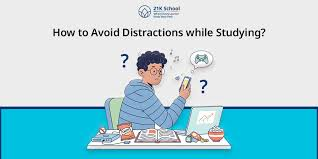

Digital breaks can fit into a study plan, but only when they have limits. A short pause after reading, writing, or test preparation may help the mind reset. The problem starts when the pause has no ending and the phone becomes the main task. Entertainment platforms make access quick, and an entry point such as desi login can be part of a controlled break only when the session stays short, private, and separate from study work. For students, the goal is not to remove every form of online entertainment. The better habit is to keep it from taking over the time meant for assignments, notes, revision, and project deadlines.
Why study focus breaks so easily
The subject of study is delicate in that it relies on an unambiguous demarcation of the task from the surrounding world. A challenging reading passage, an extensive set of exercises, or a writing task inherently demands concentration. When a phone is open beside the study material, the brain keeps waiting for something easier to check. One small tap can interrupt the whole process. The student may return to the document, but the original level of focus often takes time to rebuild.
The loss usually does not look dramatic. It happens through small breaks that stretch. A quick look at one page becomes several extra minutes. A short pause after one task appears before the next task even begins. A planned study block gets cut into pieces, and each restart feels heavier. This is why digital breaks need structure. Without structure, they stop being breaks and become interruptions that sit inside the study plan.
How digital breaks can stay useful
Even when there is no actual need for it, a break may prove beneficial as long as it is viewed as such a break and not just any time off from studies. One must determine the duration of the break in advance before leaving the study area. Just five or ten minutes might suffice to relax and reduce stress. Once the time is set, the break has a finish line.
The second step is keeping the break narrow. Opening too many tabs, checking several platforms, or jumping between different screens makes it harder to stop. A useful pause should not create another chain of decisions. It should be easy to enter and easy to leave. That matters for online entertainment because quick access can feel harmless until it starts pulling the study plan out of order. A controlled break gives the mind a reset without forcing the student to rebuild focus from zero.
Small rules that protect study time
Students do not need a complicated productivity system to protect attention. A few firm rules can make digital breaks easier to manage and prevent entertainment from blending into study work.
- Set a timer before opening entertainment.
- Keep study tabs and entertainment tabs separate.
- Close the entertainment session when the break ends.
- Turn off lock-screen previews during study blocks.
- Avoid saving passwords on shared or unfamiliar devices.
- Write the next study step before taking a break.
These rules work because they remove guesswork. A timer shows when to stop. Separate tabs keep the learning space cleaner. Closing the session gives the pause a clear ending. Writing the next study step is especially useful because it makes the return easier. The student does not come back to a blank moment. There is already a direction: continue a paragraph, solve the next problem, review one note, or open the next source.
Why account access needs extra care
Account access should not be treated casually during study time. Students often manage many digital spaces: learning portals, email, cloud documents, research tools, and personal platforms. Mixing those spaces too freely can create problems. Passwords may be saved in the wrong browser. A session may stay open longer than planned. Personal accounts may remain active on a device that is not fully private. These mistakes are easy to make when the main goal is to finish a task quickly.
The safer habit is to keep account actions clear and deliberate. Use a trusted device for personal access when possible. Avoid saving login details where they do not belong. Check that logout actually happened when using a shared or temporary device. Keep password reset, privacy settings, and support options easy to find. This is also where platform design matters. A cleaner account area helps users act responsibly because the safe option is visible instead of hidden behind several unclear screens.
How to return to the task without losing momentum
The hardest part of a digital break is often the return. A student can close the phone and still lose time because the next move is unclear. That is why the return point should be prepared before the break starts. Leaving a short note is enough. Mark the next section to read. Write down the next question to answer. Keep the working document open at the right place. Prepare one small action that can be done immediately after the pause.
The first step after the break should be light. Reread the last two lines of notes. Fix one sentence. Solve one short question. Review one definition. This helps the brain reconnect with the task without pressure.After completing that initial action, the second one is likely to become much simpler. The ideal study break is meant to be more of a respite in between two sessions than an obstacle to hinder their studies.
A cleaner way to use online entertainment during study plans
Online entertainment can exist inside a student schedule, but it needs a clear place. Slot Desi fits this wider digital-habit topic as an example of mobile entertainment access that should be handled with control: quick entry, private account use, and a clean exit when the break is over. The value for students is not in staying connected all the time. It is in knowing when to stop and how to return to study work without losing the thread.
A cleaner approach is simple. Set the break before opening the phone. Keep entertainment away from active study tabs. Protect login details. Close the session. Return to a prepared task. These steps make online breaks less likely to damage focus. They also make study blocks feel more stable because the student is not constantly negotiating with the next distraction. Entertainment stays in its proper place – outside the main work, inside a limited pause, and never in control of the study plan.